Table Of Content

The recommended dietary allowance (RDA) of vitamin A is 700 micrograms for women and 900 micrograms for men. Olly hair vitamins are a good gummy option for individuals who prefer not to, or cannot swallow pills. They contain zinc, as well as amla extract, which may support hair density and growth. Designed for pregnant or nursing people, this prenatal product contains choline — a nutrient that other prenatal vitamins often lack — and methylfolate, a more absorbable form of folate. Information provided on Forbes Health is for educational purposes only.
Staying Healthy
She recommends eating foods high in iron, such as clams, red meat, spinach and lentils. An iron supplement may also be worth adding to your routine if you are at risk of iron deficiency, but check with your doctor first. For example, is your hair loss supplement formulated with synthetic flavor, gluten, or other potentially toxic ingredients? The best hair loss supplements are cruelty-free and formulated with natural ingredients that are better for your body. Although riboflavin deficiency is rare, if you don’t get enough riboflavin from your diet, you could experience hair loss. Vitamin E is a potent antioxidant that is thought to increase hair growth in people who are experiencing hair loss.
Do not sell my personal information Privacy Policy and Terms of Use
This phenomenon is called telogen effluvium, and it’s estimated that around 40% to 50% of women experience this shedding to some degree, according to Dr. Steven Line, MD. Hormonal changes during and after pregnancy are the culprits of this hair loss. After childbirth, hormone levels drop rapidly, forcing many hair follicles to rest. Thus, 30% to 60% of hairs drop concurrently, causing hair loss,” explains Shara Cohen, PhD. So, while getting enough nutrients postpartum is important for supporting hair growth, a supplement is mainly helpful for post-partum hair growth if you’re not getting enough hair growth vitamins in your diet.
Do hair growth serums really work?
It boosts immunity, keeps bones strong and skin healthy, stimulates cell growth, and helps create new hair follicles. You absorb vitamin D through sun exposure primarily, but you can take dietary supplements and eat certain foods to up your intake of the nutrient. A lack of proper nutrients, including vitamins A, C, D, and E, zinc, B vitamins, iron, biotin, protein, and essential fatty acids, may slow hair growth or cause hair loss. A review in 2019 found enough evidence to suggest a link between vitamin D deficiencies and alopecia areata, an autoimmune disorder that attacks hair follicles, resulting in severe hair loss. Most of the studies in the review found that people with alopecia areata had lower levels of vitamin D.
Recommended articles
Women may notice that their part is becoming wider or that their scalp is more visible. The most common cause of alopecia is an inherited condition called male- or female-pattern hair loss. Transplants may be successful for some people depending on the cause of the hair loss. But you’ll need enough hair to donate to the transplant, and you’ll need to wait several months for it to grow.
Some of the first areas to suffer are nonessential areas such as your hair follicles. While there have been some studies to suggest that vitamin B12 might play a role in hair health, several studies referenced in a 2019 review found no evidence of a link between B12 levels and hair loss or retention. There isn’t just one vitamin deficiency that causes hair loss—thinning and shedding hair can actually be caused by multiple physical and mental factors. “There are a lot of women running around who are deficient and don’t realize it, either because of dieting, poor nutrition, or intense stress,” says Burg. It’s a good idea to see a doctor before starting a new vitamin regimen to rule out bigger problems.
What are the side effects of hair growth vitamins?
The catagen phase lasts about 14 days and is followed by the telogen or resting phase which lasts 3–4 months. Hair growth remains dormant during the resting phase and is followed by hair shedding. If you plan to go the supplemental route, the recommended dietary allowance is 15 milligrams daily. Vitamin E contains the same antioxidant prowess as its vitamin C counterpart possesses.
What to expect from your doctor
Iron, vitamin D, folate, vitamin B12, and selenium are vitamins and minerals that may be involved in hair graying/whitening during childhood or early adulthood. Supplementing these deficient micronutrients can improve premature graying. Vitamin D affects many aspects of a person’s health and well-being, including hair growth.
Which Are the Best Vitamins for Hair Loss?
Besides having beneficial effects on hair growth, the interventions reviewed in the current study generally had mild side effects. These results suggest that nutritional supplements could potentially help treat certain types of hair loss. Vitamins can restore damaged hair, prevent it from aging prematurely, reduce hair loss, and improve growth and volume.
The best vitamins and supplements for hair growth in 2024, according to dermatologist and trichologists - Yahoo Life
The best vitamins and supplements for hair growth in 2024, according to dermatologist and trichologists.
Posted: Mon, 19 Feb 2024 08:00:00 GMT [source]
This growth nutraceutical is offered as a subscription service, affording customers the convenience of a steady supply of the product. All products featured on Glamour are independently selected by our editors. However, when you buy something through our retail links, we may earn an affiliate commission. Jessica Booth is a New York-based freelance writer who regularly writes about health, wellness, parenting, food, travel, beauty and more for a variety of publications. She currently writes for Forbes Health, Insider, The Daily Beast, Brides, Redbook, Woman's Day, Women's Health, Scary Mommy, Romper and Life Savvy. Her byline has also appeared on Refinery 29, Cosmopolitan, Delish, Greatist, The Inventory, and Bustle.
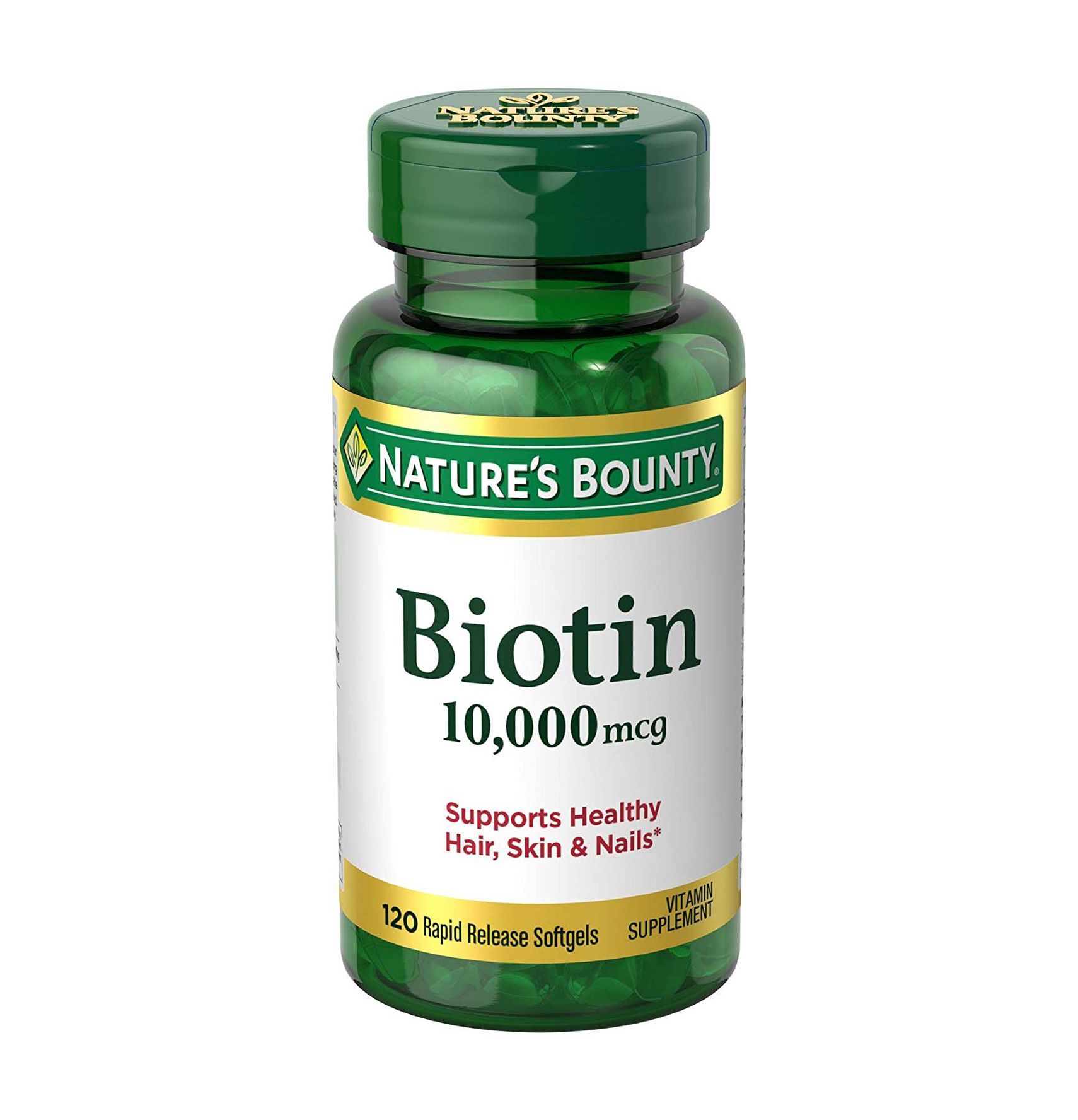
Biotin plays an important role in the synthesis of healthy skin, hair, and nails, which is why it’s one of the best vitamins for hair loss. Low levels of biotin, otherwise known as vitamin B7, have also been linked to hair loss. For example, in a 2016 study of women with hair loss, 38% of the participants were found to have a biotin deficiency. Venton et al. described the loss of pigmentation of the hair in four patients receiving TPN without selenium supplementation.
The availability of selenium in a variety of foods, such as meat, vegetables, and nuts, are sufficient to meet the daily requirement [120]. Selenium ingestion in an amount exceeding 400 μg daily may cause toxicity. Symptoms of acute or chronic selenium toxicity include nausea, vomiting, nail brittleness and discolorations, hair loss, fatigability, irritability, and foul breath odor [120]. An outbreak of selenium toxicity from a liquid dietary supplement that contained 200-fold the labeled concentration of selenium resulted in severe hair loss in most patients [121]. Vitamin D modulates growth and differentiation of keratinocytes through binding to the nuclear vitamin D receptor (VDR). Murine hair follicle keratinocytes are immunoreactive for VDR, showing their highest activity in the anagen stage [61].
It’s best to work with a doctor because the best pill for hair growth will depend in your individual needs and the cause of your hair challenges, such as possible nutritional deficiencies or other health issues. For example, Nutrafol Women is our top pick for best subscription supplement for hair health. The company also makes a product specifically formulated to help with postpartum hair loss.
With the help of five hair care experts, including medical doctors and registered dietitians, we’ve rounded up some of the best vitamins and supplements for hair growth on the market to meet various needs. Certain vitamins and supplements may promote hair growth and healthiness in individuals who have nutritional deficiencies. This is because research suggests deficiencies in vitamins and minerals such as zinc, iron and vitamin D are linked to hair loss.
A retrospective cross-sectional study evaluated folate and vitamin B12 levels in 115 patients with TE (acute and chronic). The results showed that 2.6% of subjects had vitamin B12 deficiency but none had folate deficiency. The lack of a control group is a major limitation of this study [48]. The authors of a case–control study attempted to determine the prevalence of trichodynia in 91 patients with diffuse hair loss, including those with AGA and TE.


No comments:
Post a Comment